Coronavirus disease 2019

COVID-19 is a contagious disease caused by the coronavirus SARS-CoV-2. In January 2020, the disease spread worldwide, resulting in the COVID-19 pandemic.

The symptoms of COVID‑19 can vary but often include fever,[7] fatigue, cough, breathing difficulties, loss of smell, and loss of taste.[8][9][10] Symptoms may begin one to fourteen days after exposure to the virus. At least a third of people who are infected do not develop noticeable symptoms.[11][12] Of those who develop symptoms noticeable enough to be classified as patients, most (81%) develop mild to moderate symptoms (up to mild pneumonia), while 14% develop severe symptoms (dyspnea, hypoxia, or more than 50% lung involvement on imaging), and 5% develop critical symptoms (respiratory failure, shock, or multiorgan dysfunction).[13] Older people have a higher risk of developing severe symptoms. Some complications result in death. Some people continue to experience a range of effects (long COVID) for months or years after infection, and damage to organs has been observed.[14] Multi-year studies on the long-term effects are ongoing.[15]

COVID‑19 transmission occurs when infectious particles are breathed in or come into contact with the eyes, nose, or mouth. The risk is highest when people are in close proximity, but small airborne particles containing the virus can remain suspended in the air and travel over longer distances, particularly indoors. Transmission can also occur when people touch their eyes, nose, or mouth after touching surfaces or objects that have been contaminated by the virus. People remain contagious for up to 20 days and can spread the virus even if they do not develop symptoms.[16]

Testing methods for COVID-19 to detect the virus’s nucleic acid include real-time reverse transcription polymerase chain reaction (RT‑PCR),[17][18] transcription-mediated amplification,[17][18][19] and reverse transcription loop-mediated isothermal amplification (RT‑LAMP)[17][18] from a nasopharyngeal swab.[20]

Several COVID-19 vaccines have been approved and distributed in various countries, many of which have initiated mass vaccination campaigns. Other preventive measures include physical or social distancing, quarantining, ventilation of indoor spaces, use of face masks or coverings in public, covering coughs and sneezes, hand washing, and keeping unwashed hands away from the face. While drugs have been developed to inhibit the virus, the primary treatment is still symptomatic, managing the disease through supportive care, isolation, and experimental measures.
Why professional gas fitting matters for home safety

Gas is essential for many homes, providing heating, hot water and cooking capabilities. However, it must be handled with extreme care. Poor installation, ageing components or unqualified work can put your home at serious risk. Understanding why professional gas fitting is crucial can help you make safer choices and avoid unnecessary hazards.

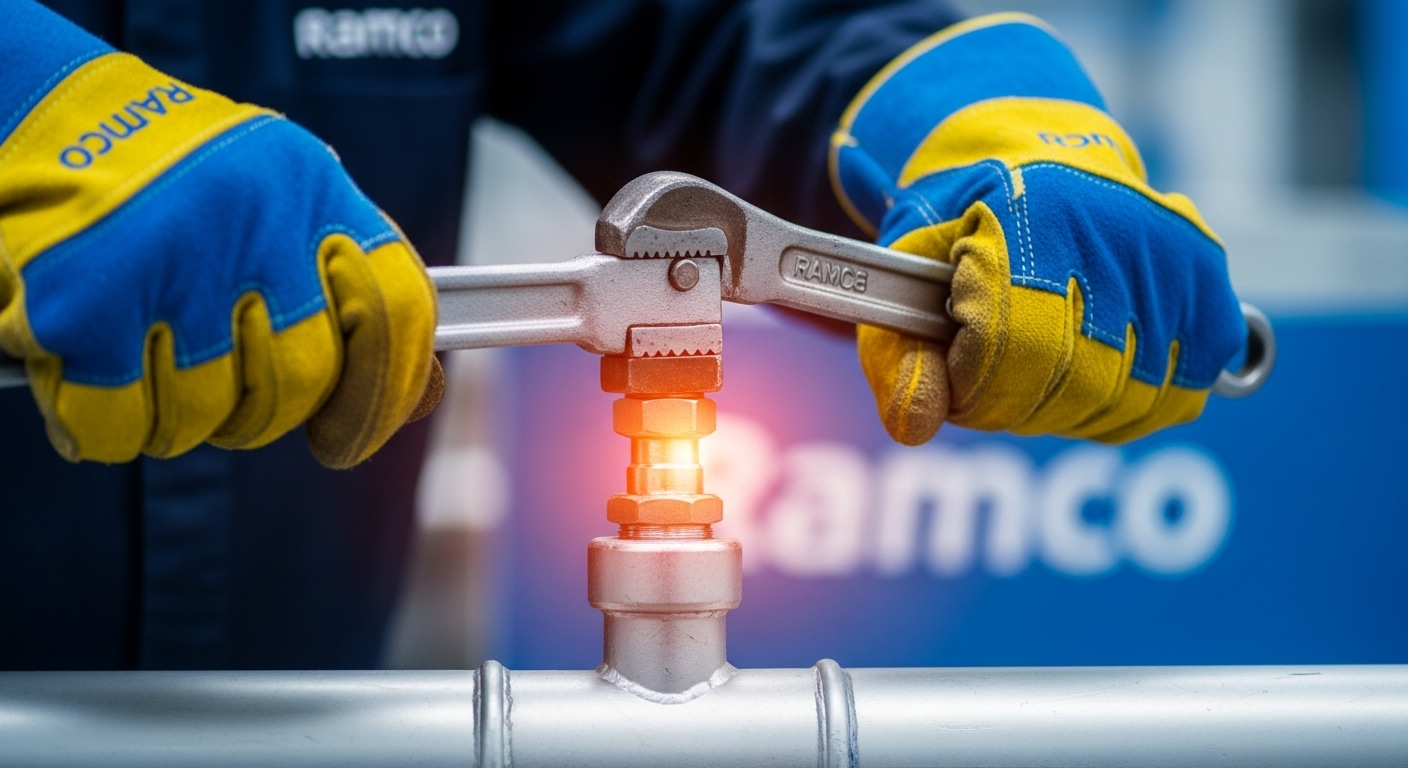
The most important reason to rely on trained professionals is safety. Gas leaks are not always obvious, and even a small leak can lead to fire hazards, carbon monoxide poisoning or dangerous explosions. Certified engineers are trained to identify faults, test connections and ensure that every part of the system is secure and compliant with UK safety regulations.

Another consideration is compliance. Gas work must meet strict national standards, and hiring an unqualified person is not only unsafe but also illegal in many cases. Certified engineers follow approved procedures, use proper tools and provide documentation that confirms work has been completed correctly. This documentation is vital if you ever decide to sell your home, as gas inspections are part of most property assessments.

Professional gas fitting also ensures better performance from your appliances. Boilers, heaters and gas cookers work most efficiently when installed correctly. Poor installation can lead to frequent breakdowns, low heating output or inconsistent performance. Professionals know how to calibrate systems properly, test pressure levels and detect even the smallest irregularities.

Maintenance is equally important. Over time, gas systems can develop wear and tear that affects safety and efficiency. Blocked flues, ageing seals and loose connections are common issues that homeowners cannot easily identify. Regular professional inspections ensure your system stays in good condition and operates safely year after year.

Professional gas work also protects your investment. Faulty installations often cause long-term damage to heating systems and appliances, leading to expensive repairs or replacements. Investing in professional installation from the start helps avoid these unnecessary costs and extends the lifespan of your equipment.

Another benefit is peace of mind. Knowing that your gas system has been installed and tested by certified experts allows you to use your appliances confidently. You can heat your home, cook meals and enjoy hot water without worrying about hidden dangers.

Carbon monoxide is one of the most serious risks associated with gas systems. This odourless, colourless gas can be fatal if inhaled. Proper installation and regular servicing significantly reduce the risk of carbon monoxide leaks. Engineers are trained to check for blockages, inspect flues and assess ventilation to ensure maximum safety.

In addition, emergencies can happen unexpectedly. When something goes wrong, certified engineers have the training and tools to diagnose issues quickly and safely. Attempting to fix gas-related problems without proper knowledge is extremely dangerous.

Choosing professional gas fitting is not just a smart decision; it is a necessary one. At Ramco, our certified gas engineers install and maintain systems to the highest safety standards, ensuring your home stays safe, warm and efficient.

Simple heating system checks every homeowner should do before winter

When temperatures begin to drop, your heating system becomes one of the most important parts of your home. A well-maintained system keeps you warm, reduces energy bills and prevents unexpected breakdowns during the coldest days of the year. The good news is that you do not need to be an engineer to perform several basic checks that can improve your system’s efficiency and reliability.

Start with a simple visual inspection of your boiler. Look for signs of corrosion, leaks or unusual residue around pipe joints. While many issues are internal, visible changes can indicate wear that needs attention. Dust and debris around the boiler can also affect its performance, so keeping the area clean helps maintain airflow and efficiency.

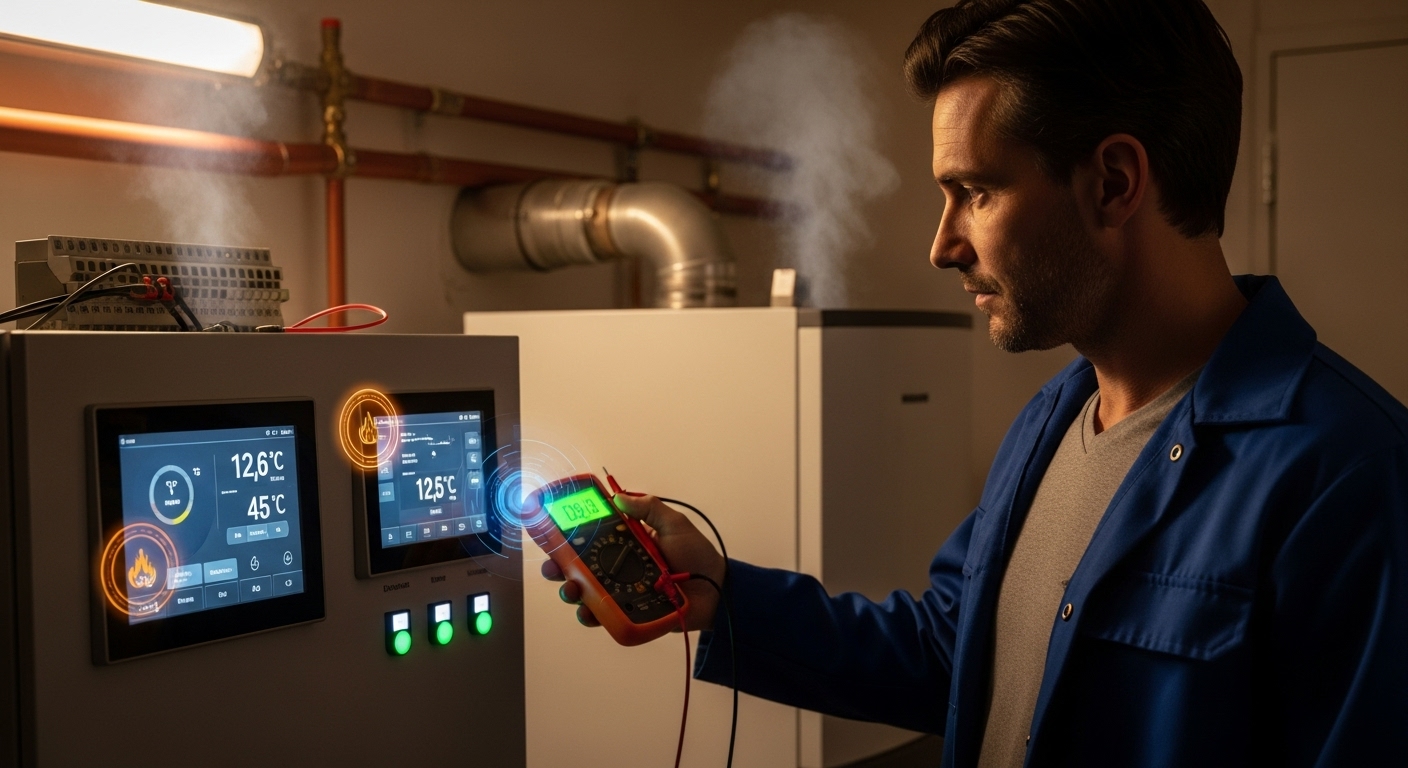
Next, check the pressure gauge on your boiler. Most systems operate best between 1 and 2 bar. If the pressure is too low, the boiler may struggle to heat your home effectively. If it is too high, it may cause unnecessary strain on the system. Adjusting pressure is usually straightforward, but if you feel unsure, it is always safer to contact a professional.

Radiator bleeding is another important task. If some radiators feel hot at the bottom but cold at the top, trapped air is preventing hot water from circulating properly. Bleeding your radiators releases this air and helps your heating work more efficiently. It is a simple job that requires only a radiator key and a few minutes.

You should also review the thermostat settings. Many homeowners leave their thermostats unchanged year after year, which can lead to wasted energy. Testing your thermostat ensures it responds correctly and maintains the desired temperature. Smart thermostats can also help you better control your heating schedule and reduce costs.

Filters in your system may also need attention. In homes with certain heating setups, filters can become clogged with dust, restricting airflow and reducing efficiency. Checking and cleaning these filters improves performance and extends the lifespan of your heating system.

Another essential step is testing your boiler before the winter season fully arrives. Turning the heating on for a short period, even when it is still relatively warm outside, helps you identify any early issues. Strange noises, slow heat-up times or inconsistent temperatures can signal the need for professional maintenance.

Safety is just as important as efficiency. Ensure you have a working carbon monoxide detector installed, especially near any gas-powered heating equipment. Carbon monoxide is odourless and dangerous, so a detector is vital for your home’s safety.

Finally, consider scheduling an annual service with a certified heating engineer. Professional servicing helps identify hidden faults, improves system efficiency and ensures your heating runs safely throughout the season. This small investment can prevent costly repairs and extend your boiler’s lifespan.

By following these simple checks, you can prepare your home for winter with confidence. At Ramco, we offer comprehensive heating services to keep your home warm, safe and energy efficient all year round.

How to spot early signs of plumbing issues in your home

Plumbing problems rarely appear out of nowhere. In most cases, your home gives you subtle warning signs long before anything serious happens. The trouble is that homeowners often overlook these signals because they seem minor or inconvenient. By learning how to recognise early signs of plumbing issues, you can prevent emergencies, avoid expensive repairs and keep your water systems running efficiently throughout the year.

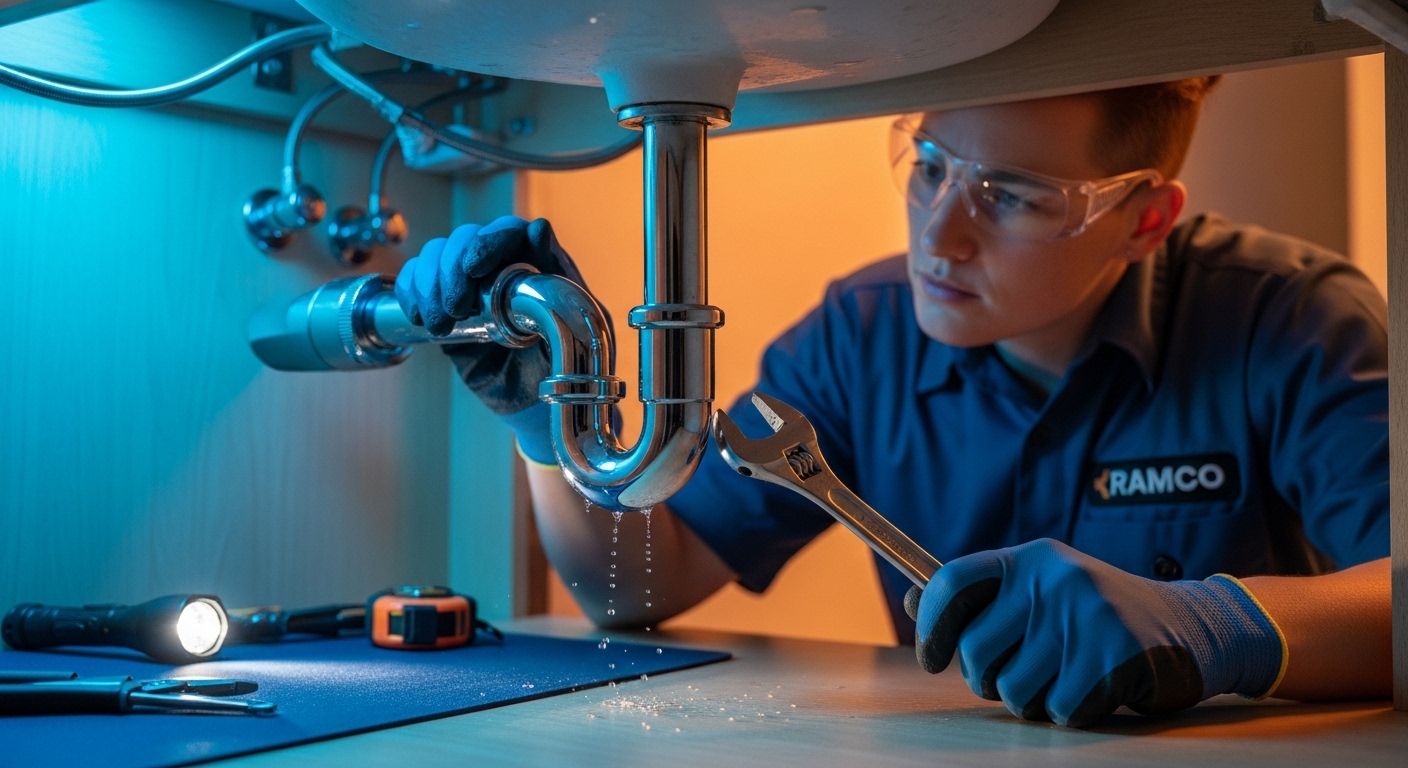
One of the most common early signs is a slow or sluggish drain. When water takes longer than usual to clear from sinks, baths or showers, it usually indicates a developing blockage. This could be caused by soap residue, hair, grease or mineral build-up inside the pipes. While a slow drain may not feel urgent, it can quickly turn into a complete blockage if ignored. Using gentle drain cleaners, removing visible debris and scheduling routine cleaning can help prevent this from escalating.

Low water pressure is another warning sign that often goes unnoticed. If your taps or showerheads begin to produce weaker streams than normal, it may indicate a hidden leak, a partially blocked aerator or an issue within the main supply line. Low pressure in only one fixture is usually a simple fix, but low pressure throughout the house can be a sign of a more serious underlying issue that requires professional attention.

Unusual noises coming from your pipes can also point to potential problems. Gurgling sounds from drains often indicate trapped air caused by a blockage. Banging or knocking noises, commonly known as water hammer, can occur when water flow stops abruptly inside the pipes. This can eventually lead to pipe damage if not addressed. Installing a water hammer arrestor or adjusting water pressure can usually solve this issue.

Another early indicator is discolouration in your tap water. Brown or rusty water can signal corrosion inside your plumbing system or issues with the water heater. This is not only unpleasant but can also affect the quality of your water supply. If discolouration appears suddenly or persists, it is important to have your plumbing system inspected.

Wet patches, mould growth or damp smells around walls, floors or ceilings should never be ignored. Even tiny leaks behind walls can lead to long-term structural damage, weakened flooring and health concerns. Modern leak detection technology makes it much easier to locate hidden issues before they become major problems.

Finally, keep an eye on your water bill. A sudden spike in usage, even when your habits have not changed, often indicates a hidden leak somewhere in the system. It may be underground, behind walls or within the heating system.

Taking these early signs seriously can save you from costly repairs and major disruptions. At Ramco, our expert engineers use professional tools and years of experience to diagnose and fix plumbing issues before they escalate. If you notice any of these warning signs, it is always best to act quickly and schedule an inspection.